Explore the Collection
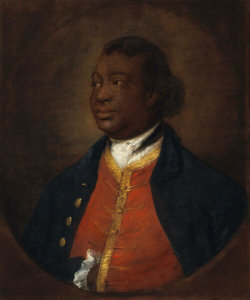
In eighteenth-century Britain, independent portraits of dogs—especially hunting dogs—conventionally functioned like those of thoroughbred horses, mapping breeding and lineage. Occasionally, however, they commemorated favorite pets. Pet portraiture was not particularly fashionable or lucrative in Gainsborough's time, but he produced canine portraits throughout his career and has been celebrated for individualized depictions that seem to capture the dogs' likenesses and personalities just as in his portraits of people. The Pomeranian depicted here with a pup is believed to be the same sleeping dog that is in his portrait of Carl Friedrich Abel. It was then a rare breed in England, possibly even brought by Abel from Germany. The portrait counts among the works that Gainsborough exchanged for musical instruments and lessons. In this case, he is said to have given this painting to Abel in exchange for lessons on the viola da gamba.
